


November is here, and I’ve started making those little changes around the house that come with colder weather. I’ve started to put away the last of the warm-weather things, and brought out more cozy throw blankets for the sofa and bedrooms, and getting the house ready for the months ahead.
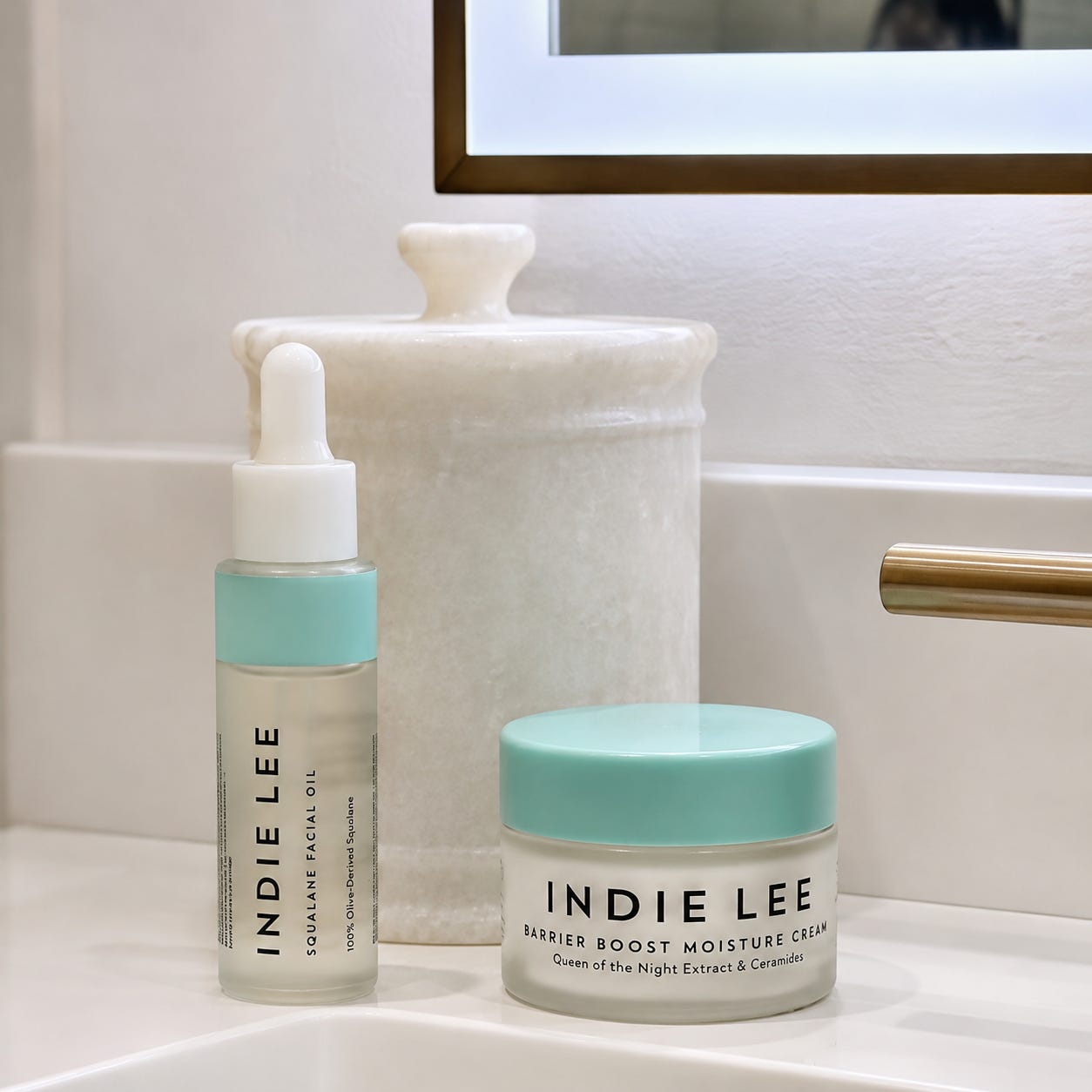
My skincare gets a seasonal switch, too. I tend to reach for my richer creams as the temperatures drop. At night, I’m using my Barrier Boost Moisture Cream topped with my Squalane Facial Oil, my version of slugging. In the morning, I layer Squalane over my Retinol Alternative Cream, giving everything a little time to do it’s job (since I work from home, I tend to not wear foundation) and, cough, cough, SPF every single day. I wouldn’t be a clean beauty founder if I didn’t say it!
I’ve also brought out my body oils, bath bombs, and other cold-weather favorites. I’m reaching for cream blushes more often, and I have our Lip Remedy masks everywhere. Apparently, one is never enough for my lips in the winter.
All my plants are tucked inside now, too. Some are happily settling into their winter spots, while others need a little help from grow lights. I’m looking at you, Sunshine, my grapefruit tree.
Outside, however, it’s a completely different story.
Most people assume the gardening season is over by November, but here in Zone 6B, fall is actually a wonderful time to plant many trees and perennials, provided the ground hasn’t frozen and there’s still time for roots to establish.
Fifteen Trees and a Whole Lot of Planning
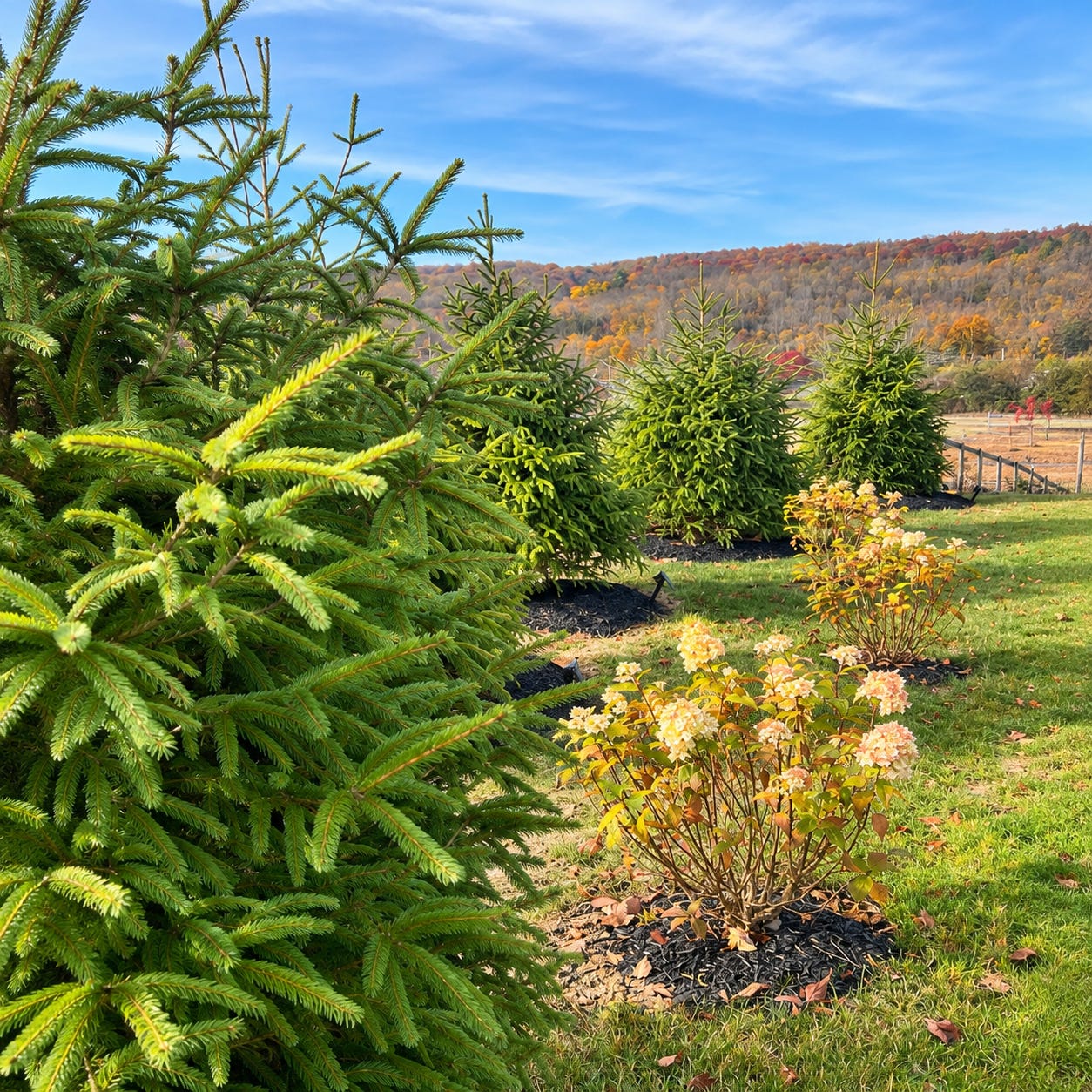
When we moved onto this property last year, we were essentially starting with a blank slate. In the spring, we planted berry bushes, fruit trees, and lilac trees and this past month alone, we planted 15 large trees!
Some were for privacy, others for color and structure. Behind the house, we wanted to improve the view without losing the parts we love. We planted large spruce trees to screen some of the overgrown brush on the neighboring property, making sure we could still see the barn silo in the distance. Hydrangeas and native plants are already planted in front of the evergreens to create a more established garden bed.
Of course, I’m already imagining what it will look like in five years. Patience has never been my strongest gardening skill (IYKYK).
Garlic, Herbs, and Heirloom Seeds
The garlic is officially planted, and as I write this, herbs from the last of this year’s harvest are dehydrating. I order bulbs (and all my seeds) from Epic Gardening (there’s still time to plant them and Epic has a few organic varieties left).
I’m also finishing up collecting my heirloom seeds. If you caught my recent post about saving seeds from my cut-and-come-again zinnias, you know how much I’ve enjoyed this project.
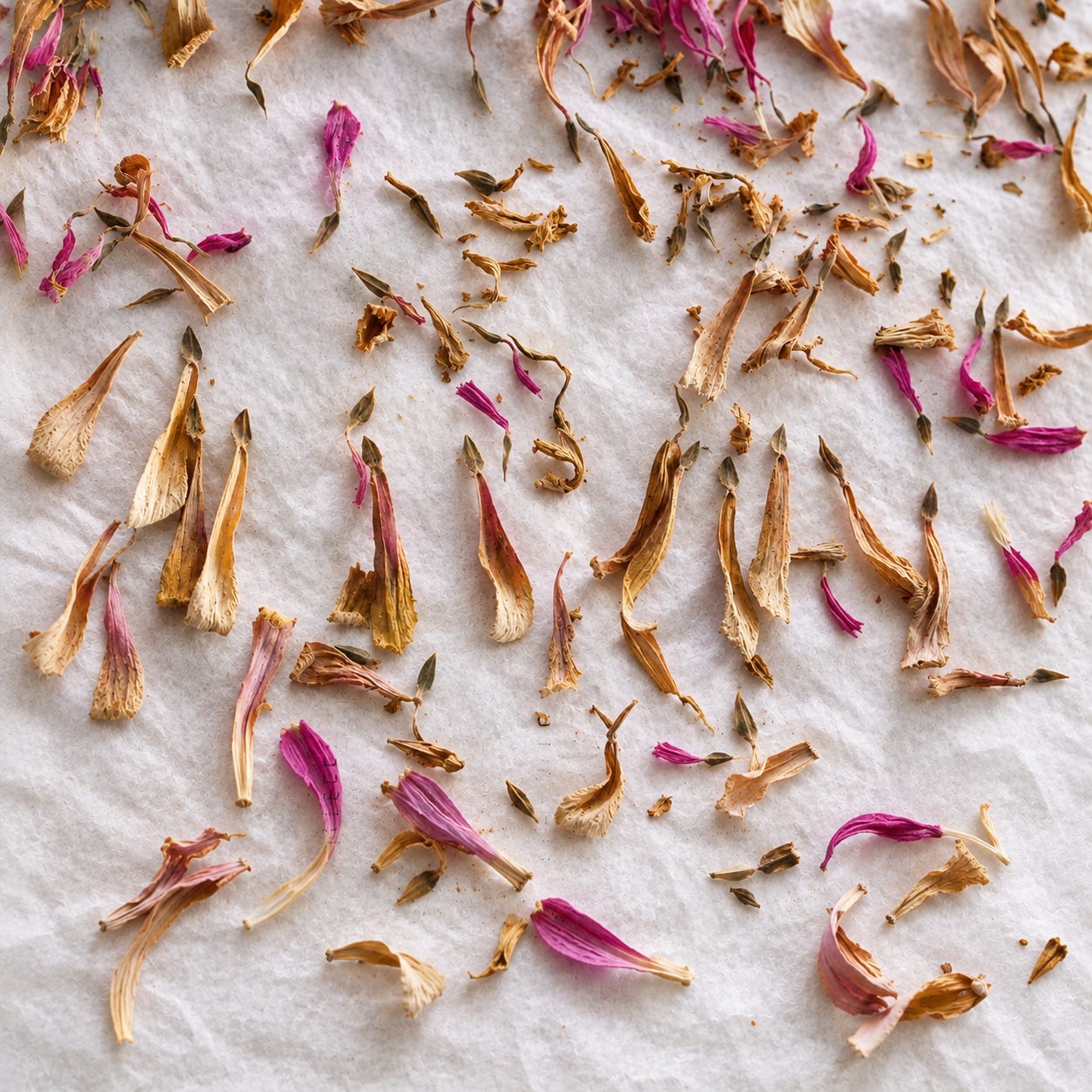
I’ve even started designing seed packets because I want to share some of what I’ve grown.
A little sneak peek for my subscribers: I’ll be giving away some of my saved seeds right here on The Indie Edit. Stay tuned!
There’s something special about the idea of seeds from my garden finding their way into yours.
What’s Next for the Property?
We’re starting to plan what to do with the last acre of the property, including what can responsibly be cleared, adding native pollinator plants near the wetlands, and how much of that space we might eventually put into production.
I’m also researching what we’re permitted to do around the wetlands and how we can work with the existing ecosystem.
Then there’s the bigger question of how I want the entire property to function five, ten, or even twenty years from now.
Where will the growing beds go? How much space do I want for flowers, herbs, and heirloom seeds? What can I start indoors in the barn? And just how big do I want this seed-saving project to become?
Let’s just say my project list isn’t getting any shorter.
Gardening for the Long Haul
Given some of my chronic health and long-term mobility challenges, I’m also thinking carefully about accessibility as I plan the property. From taller raised beds and accessible pathways to equipment that makes gardening easier, I want to create a space that will work for me for years to come. It’s a topic I plan to explore more here because I have absolutely no intention of slowing down my gardening plans.
So while November might look like the end of gardening season, for me, it’s when so much of the planning for next year begins.
Have you already put your garden to bed for the year, or are you still planting and planning?
With love from Dragonfly Farm,
Indie
(PS I use AI to spell check and correct my grammar, trust me it’s a good thing).
November brings the hard change in the air, and the shift into fall surf-season...let's go!